


Care sheet
Everything You Need
All you need to know to give your rat a happy healthy life!
"Parts of this section were written by Rachelle Bish of Jellybean Rattery, and used with permission."
Food
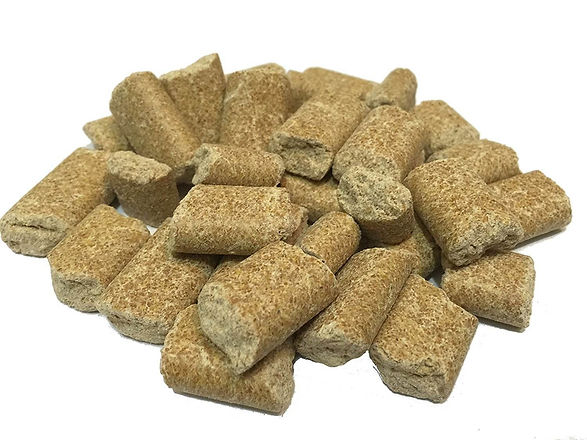
Food - Rats should be fed a quality balanced lab block to provide proper nutrition. Commercial mixes are usually not nutritionally complete. I recommend lab blocks.
Oxbow Essentials Adult Rat Food
Oxbow Regal Rat
Mazuri Rat & Mouse
Science Selective
Kalmbach 18% Rodent Feed
Envigo/Harlan Teklad
Feed and water everyday supplement with health treats fruit and vegetables a couple times a week.

Bedding
Bedding
hemp
kiln-dried
aspen
kiln-dried pine
kiln-dried poplar.
Rats produce a lot of ammonia in their urine which damages their sensitive respiratory systems and can lead to infections and Myco flare ups. Safe wood beddings help neutralize the ammonia to keep it under control for a week until cleaning day. You can also use coco coir soil or even make your cage partially bioactive using coco coir soil, with the proper research and attention.
Cleaning tips - Wood shavings should be replaced once a week, fleece covers every other day, and loose paper every other day to prevent dangerous ammonia buildup. Very deep wood shavings or reptile soil, 6”+ deep, can be replaced every other week if you have no more than 4 rats and mix it every 3 days or so. For cleaning, I personally use chlorhexidine diluted according to the label. It sanitizes very well, smells great, is harmless to the rats even if it isn't dry, and doubles as a wound wash if a rat ever gets injured.

cage
Recommended Cages
Midwest rat and ferret nation
Yaheetech rat run
Borneo cage by exotic nutrition
Aivituvin 5 level
Prevue rat cage
Be aware there should be 2 cubic feet per rat a pair of rats need no smaller than 28inx14inx17in cage.

Treats
Treats
Exotic nutrition rat
Oxbow rat
White mill pure
Critter pop
Kaytee
Fruit
Vegetable
There are many homemade treats you can make.

First aid
First Aid - I always recommend that rat owners keep themselves up to date on rat healthcare and symptoms that they should look out for. It can be very difficult to find good, rat savvy vets - if you have a tried and true rat savvy vet, that is wonderful! But many people don't have great rat vets nearby, their vets say they know rats well but in reality they don’t, or they can't get appointments quickly, so being able to research and advocate for your own animal can make a huge difference in their health outcomes.
Small towel
Scissors
Nail clippers
Q-tips
Tweezers
1ml,2ml,3ml syringes
Quick stop
Saline
Silver honey
Scale
Hothands
Vet wrap
Gloves
Iodine
Milk replacement
Metacam
Baytril
Doxycycline
Amoxicillin
Ivermectin
blue - kote
These are just some things you need to have on hand; most are interchangeable with all-purpose animal first aid kits.

Cage Enrichment
Cage Decorating
Empty toilet paper or paper towel roll ( put snack in for more enrichment).
Tissue paper box
Chew bricks
Large pebbles
Wood blocks ( Rat safe wood)
Hammock ( Recommend hudson hammock)
Plastic huts
Rope
Box fill with fabric scraps(non frilled fabric small fibers can be dangerous)
Rats go through a lot of toys and bedding however a lot of things around the house can be used for fun enrichment allowing your rat a happy fun life.

introduction into your mischief
Quarantine - A proper quarantine should be in a completely separate air space to your current rats, without any sort of ventilation system connecting them. It is very difficult to provide a proper quarantine. If a separate air space is not possible, keep the new rats as far away from your current rats as possible, preferably on the other side of the house and on another floor.
Introductions -
1. The neutral space method - Put all the rats in your bathtub or some other contained space that neither of the groups are used to. Let them interact for as long as you can. If they start fighting roughly or draw blood, separate immediately. Otherwise, let them get to know each other. Do this every day or multiple times a day until they seem comfortable with each other, then deep clean the cage thoroughly, add in fresh cage accessories and rearrange the setup so it doesn't look the same, then add everyone in. Keep a close eye on them for a day or two. If any blood is drawn, separate and start from step 1 again.
2. The carrier method - Put all of the rats in a small carrier, where they have enough space to not be squished on top of each other but not enough that they can separate from each other. Let them stay in there for a few hours, then move them to a slightly larger carrier, cat carrier, or tiny cage for a day. If you have a medium sized cage you can move up to that for another day. Then deep clean and rearrange the main cage and add them all in. This method is usually pretty successful, but it does come with higher risks. If rats do decide to fight in a small carrier, it is very difficult to separate them without getting your hands caught in the crossfire. In a bathtub, you can throw a towel over them to separate them without getting your hands in the way.